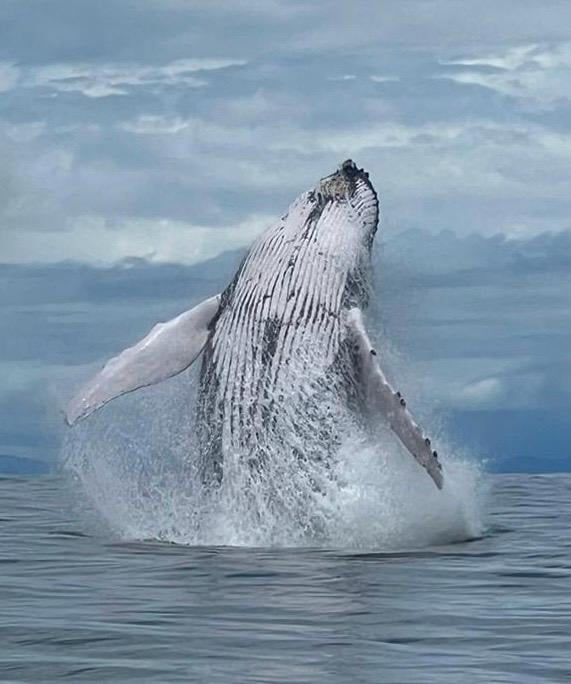
Costa Rica’s South Pacific coast is one of the best places in the world to see humpback whales. Even better: two different populations come here to breed, so there are two whale seasons every year.
Wildlife you can see
Two whale seasons a year
Humpbacks migrate to Costa Rica’s warm waters to mate, give birth and nurse their calves. Because they come from both hemispheres, you can see them twice a year:
- December to March (sometimes mid-April): Northern Hemisphere whales, coming from California and the North Pacific. This matches the dry season, the best time to travel.
- July to November: Southern Hemisphere whales from Antarctica. Often the best time to see mothers with calves.
Where to see them
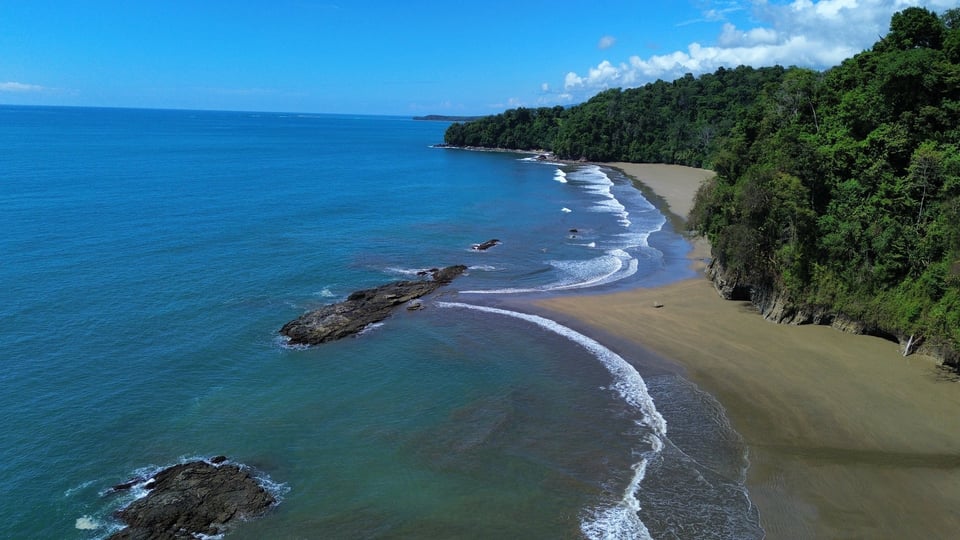
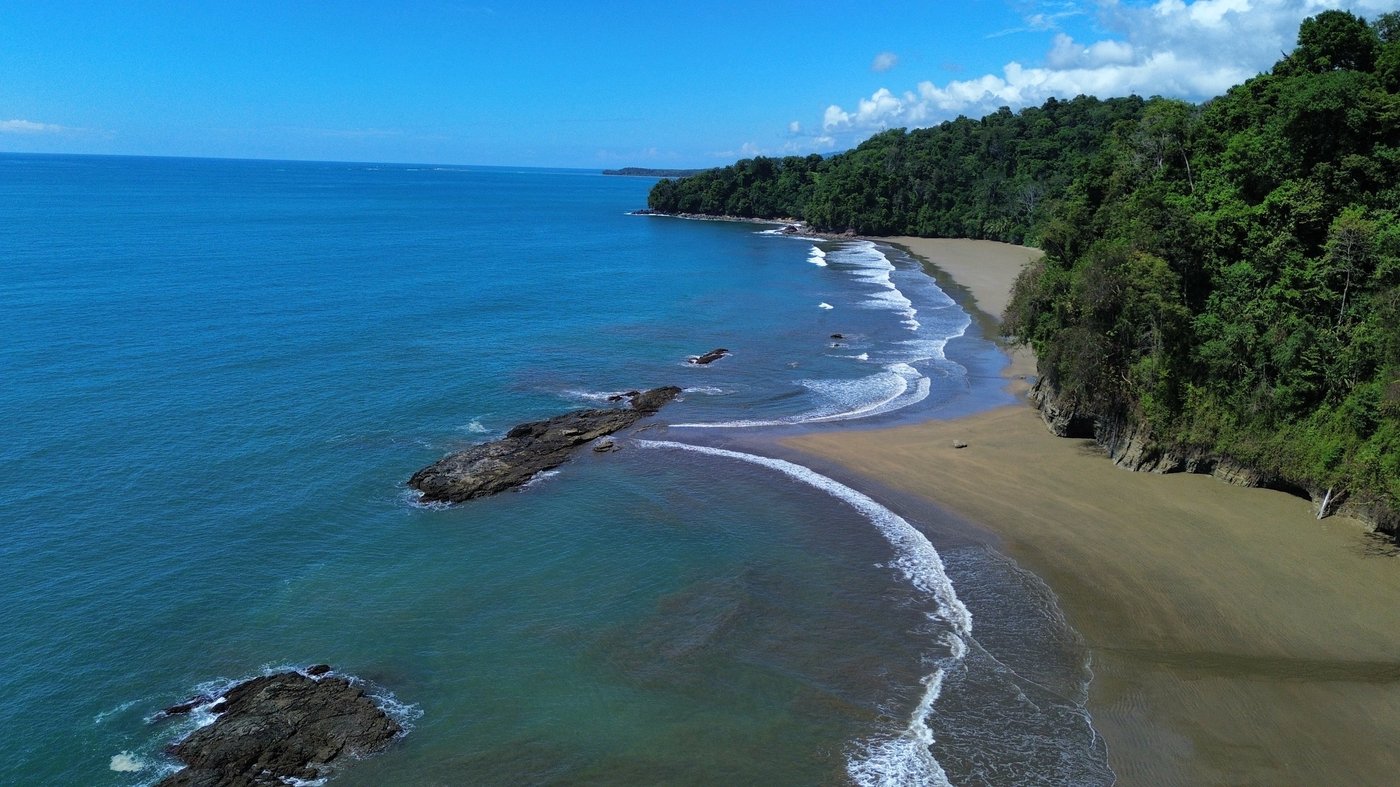
The best-known spot is Marino Ballena National Park, right off Uvita, created to protect the whales’ breeding grounds. Its famous whale-tail sandbar, visible at low tide, became its symbol.
Further south, the waters around the Osa Peninsula, Caño Island and Golfo Dulce are also whale territory — it is common to see them on the way to Caño Island.
What a tour is like
Tours usually last half a day, leaving from Uvita. The captain looks for whales, then approaches slowly following Costa Rica’s rules: minimum distance, no chasing, limited viewing time. Spotted and bottlenose dolphins often join in.
Morning tours are best: the sea is usually calmer and the light is better for photos.
Tips
- Book early for January–March: it is peak tourist season.
- Prone to seasickness? Take something before you go.
- Mineral sunscreen, hat and a light windbreaker.
- No tour can guarantee sightings — they are wild animals — but in peak season your odds are very good.
Frequently asked questions
What is the best month for whale watching in Costa Rica?
For the best odds: January to March (Northern Hemisphere whales) or August to October (Southern Hemisphere whales).
How much is whale watching in Uvita?
With us, $120 per person on a shared boat (half day), or $350 for a private boat for up to 4.
Can you see whales from the beach?
Sometimes you can spot blows from shore in peak season, but to really see them you need to go out by boat.