At the far end of the Pacific coast, the Osa Peninsula is Costa Rica as you imagine it: rainforest running down to the beach, scarlet macaws crossing the sky, humpback whales offshore and very few roads. It is no longer a secret: the New York Times ranked it #4 on its list of 52 Places to Go in 2026. But Osa takes some effort. You have to choose between Drake Bay and Puerto Jiménez, plan your transport and book Corcovado in advance. Here is everything you need to know to get it right.
Wildlife you can see
Why is the Osa Peninsula so special?
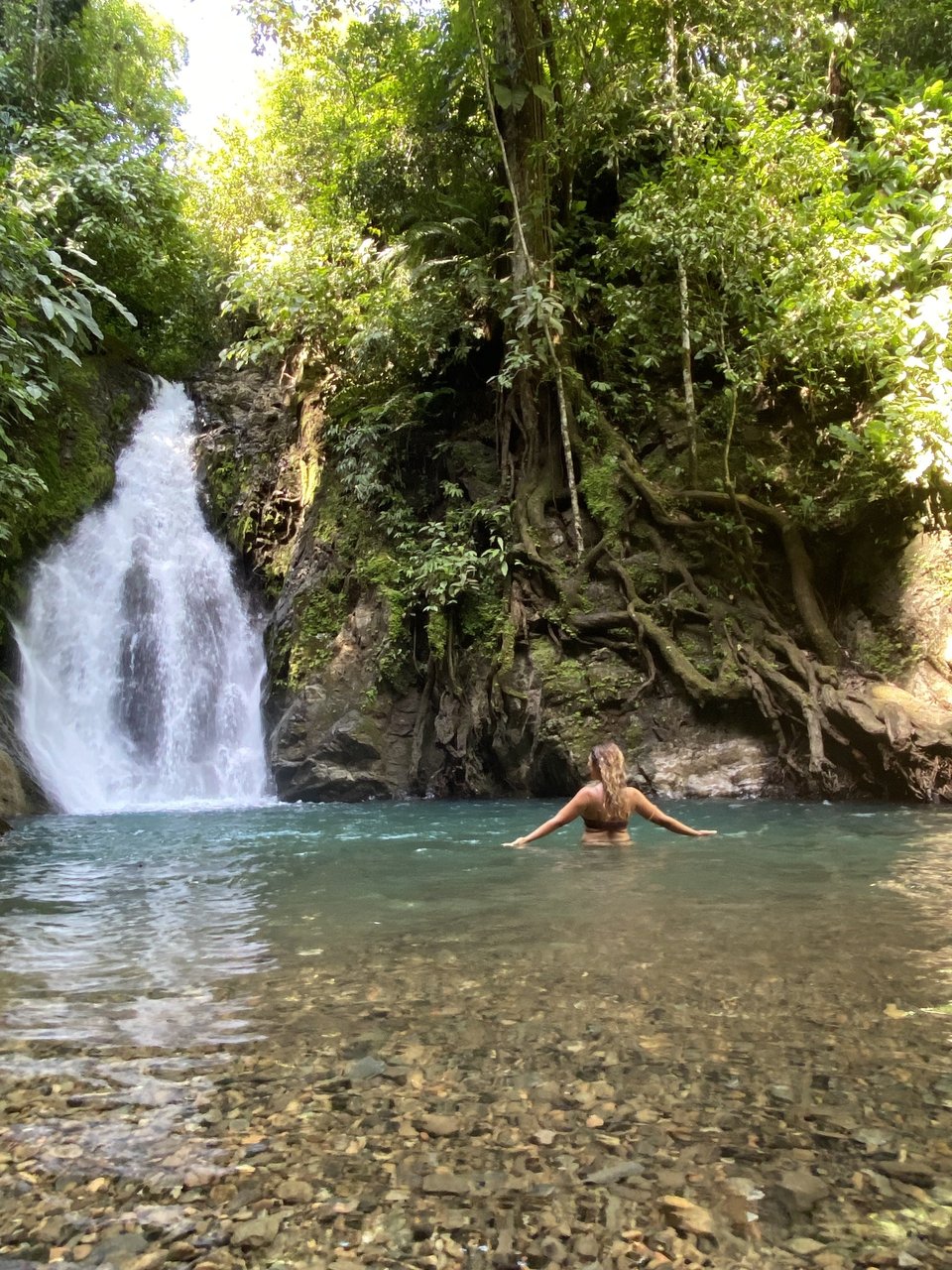
Osa is home to Corcovado National Park, created in 1975, which National Geographic called “the most biologically intense place on Earth”. The peninsula is estimated to hold over 2% of the world’s biodiversity on a tiny piece of land.
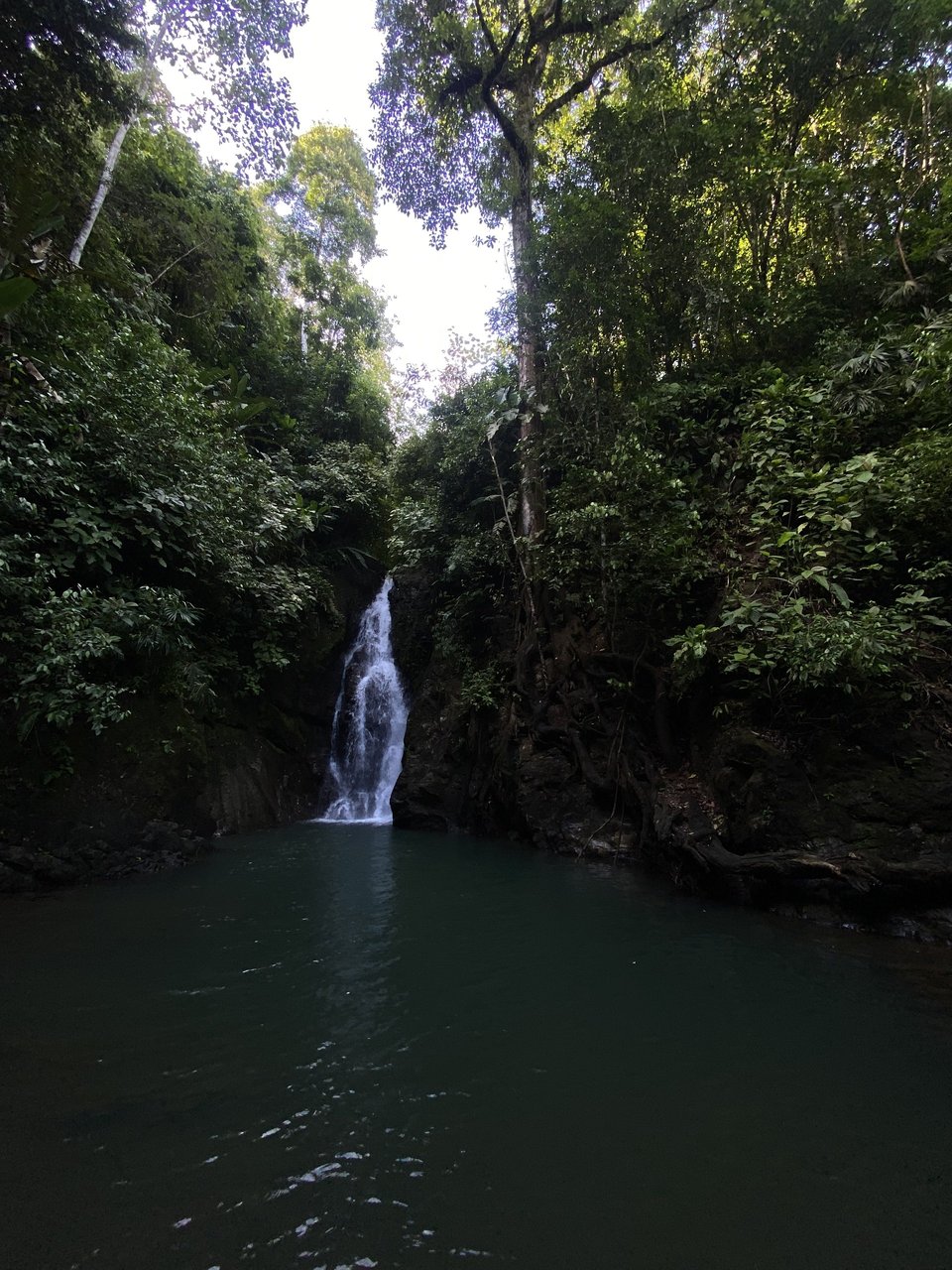
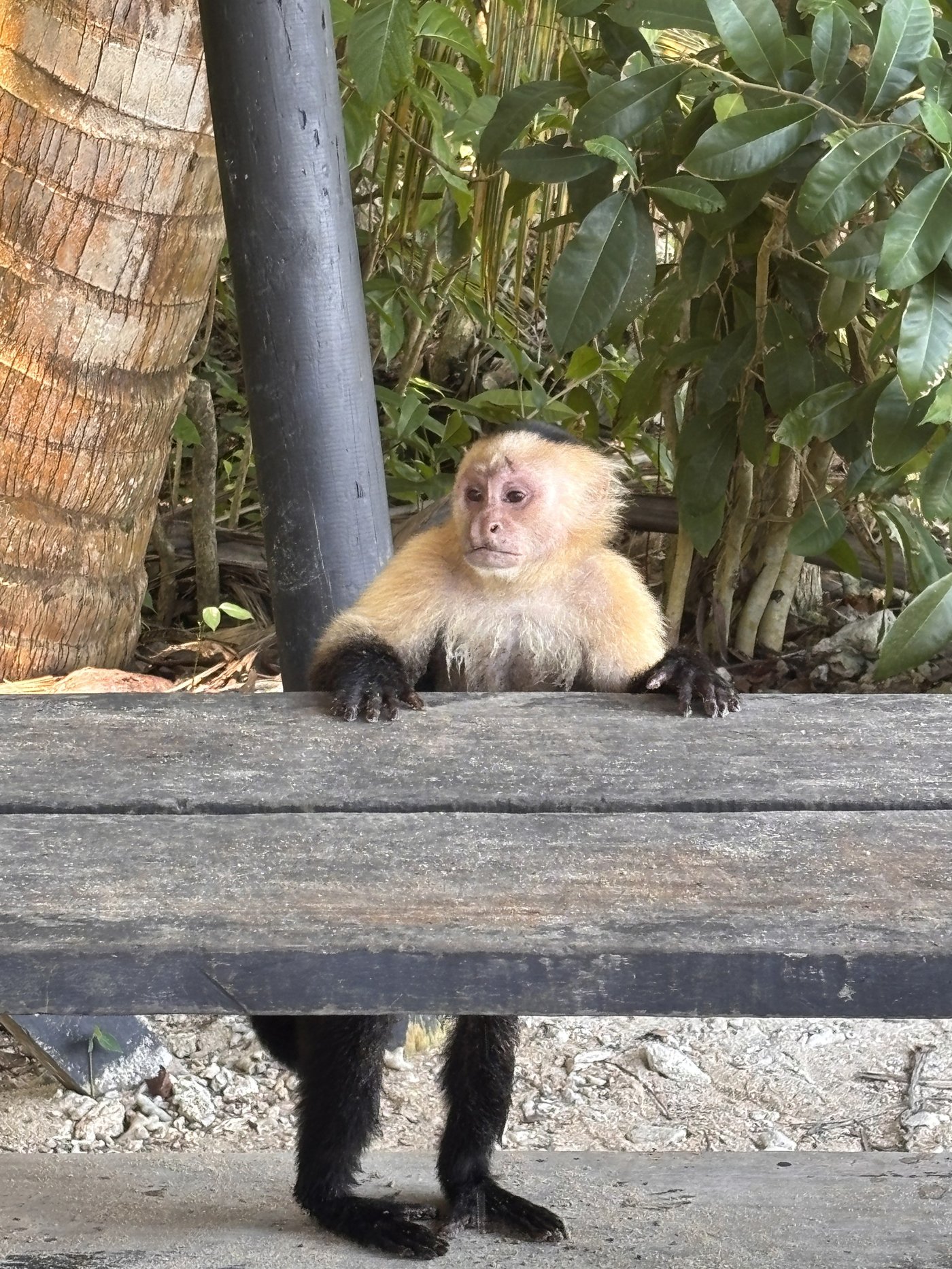
In practice, it is one of the few places in the country where you can see all four monkey species (howler, capuchin, spider and squirrel monkey), Baird’s tapir, wild scarlet macaws, anteaters and — with a lot of luck — jaguar or puma tracks. At sea, Caño Island and Golfo Dulce offer turtles, dolphins and whales.
Osa also has its own pace: few paved roads, few ATMs, remote lodges, and days that start at 5:30am with the howler monkeys. If you want big-resort comfort, this is not the place. If you want raw nature, you are in the right spot.
Drake Bay or Puerto Jiménez: where to stay on the Osa Peninsula
That is the big question. The peninsula has two gateways, at opposite ends of Corcovado, and they are not easily connected. Choose based on what you want to do:
- Drake Bay (Bahía Drake), northwest side: a small village on a bay, reached mostly by boat from Sierpe. It is the best choice for Caño Island and Corcovado (San Pedrillo and Sirena by boat, early morning). Very nature-focused, forest lodges, no car needed.
- Puerto Jiménez, Golfo Dulce side: the peninsula’s only real small town, reachable by road and by plane. Handy if you travel by car, for Golfo Dulce, Matapalo and for entering Corcovado via La Leona, from Carate.
- Matapalo and Carate, at the tip of the peninsula: remote lodges deep in the forest, for those who really want to disconnect.
- The no-hotel-change option: stay in Uvita, Ojochal or Sierpe and do Caño Island, Corcovado and the mangroves as day trips. More time in transport, but ideal if Osa is one stop on a road trip.
How to get to the Osa Peninsula
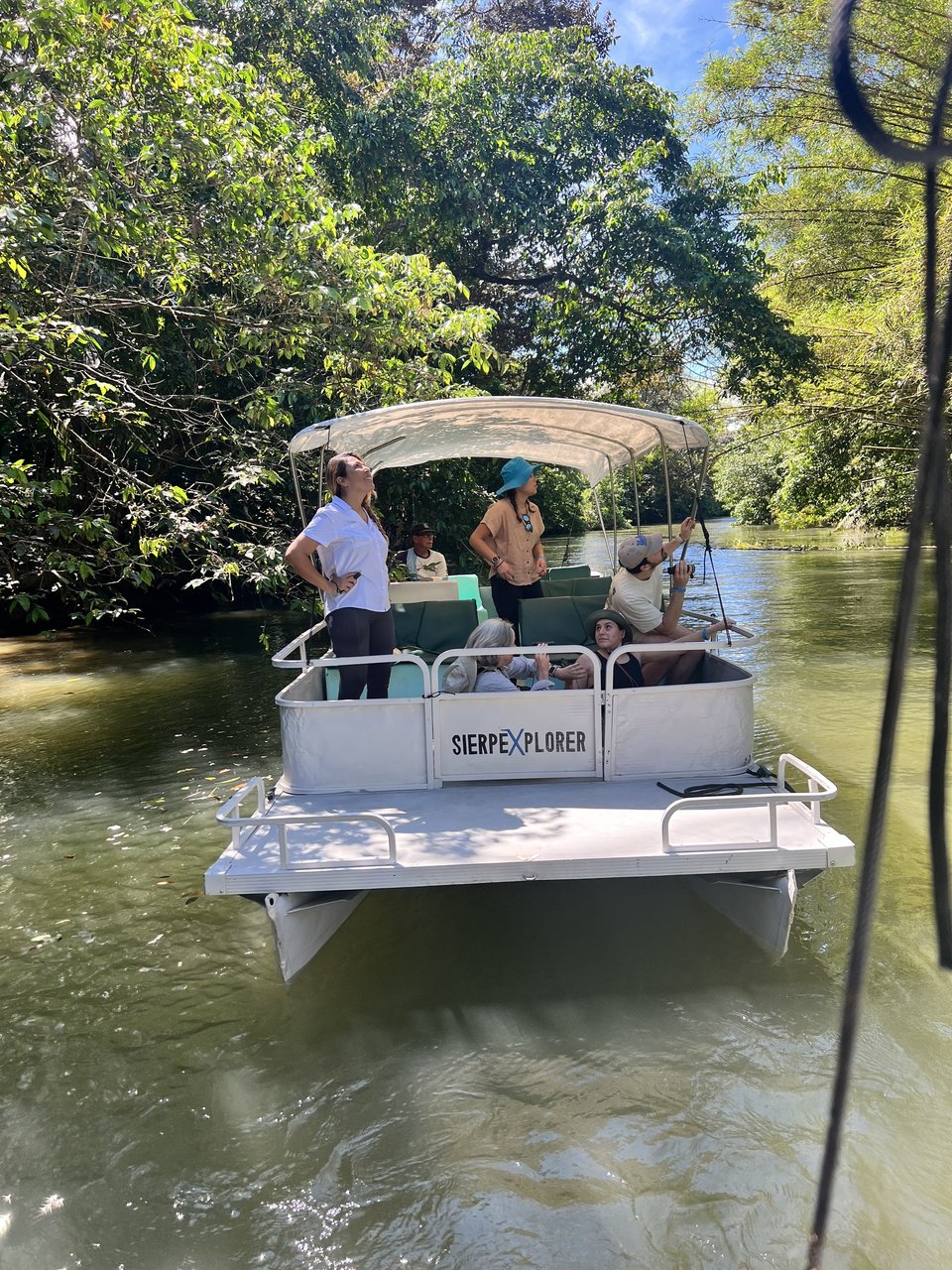
By boat from Sierpe (to Drake Bay). The classic route. Drive to Sierpe (about 45 minutes to 1 hour from Uvita), leave the car in a guarded lot, then a boat goes down the Sierpe River through the mangroves and along the coast to Drake Bay: about 1 hour on the water, usually with a late-morning and an afternoon departure. You land on the beach: bring a bag that is easy to carry.
By road (to Puerto Jiménez). From San José airport it is about 360 km to Puerto Jiménez: plan a full day on the road (private shuttles take about 7 h, the public bus about 8 h). From Uvita, the road follows the Costanera then Route 245: about 2.5 hours. Main roads are paved, but for Carate, Matapalo or the dirt road to Drake Bay, a high-clearance vehicle is recommended in dry season and a 4x4 in rainy season.
By plane. Domestic flights link San José to Puerto Jiménez in about 45 to 55 minutes, several times a day (SANSA and other regional airlines). Drake Bay also has an airstrip, served from San José in just under an hour. Planes are small: luggage is weight-limited, check before booking.
Best things to do on the Osa Peninsula
- 🌿 Corcovado National Park: the number one reason to come. A certified guide is mandatory and entrance is about $15 per person per day (non-resident fee, guide not included). San Pedrillo is easy from Drake Bay; Sirena, in the heart of the park, has the most wildlife; La Leona is reached from Carate.
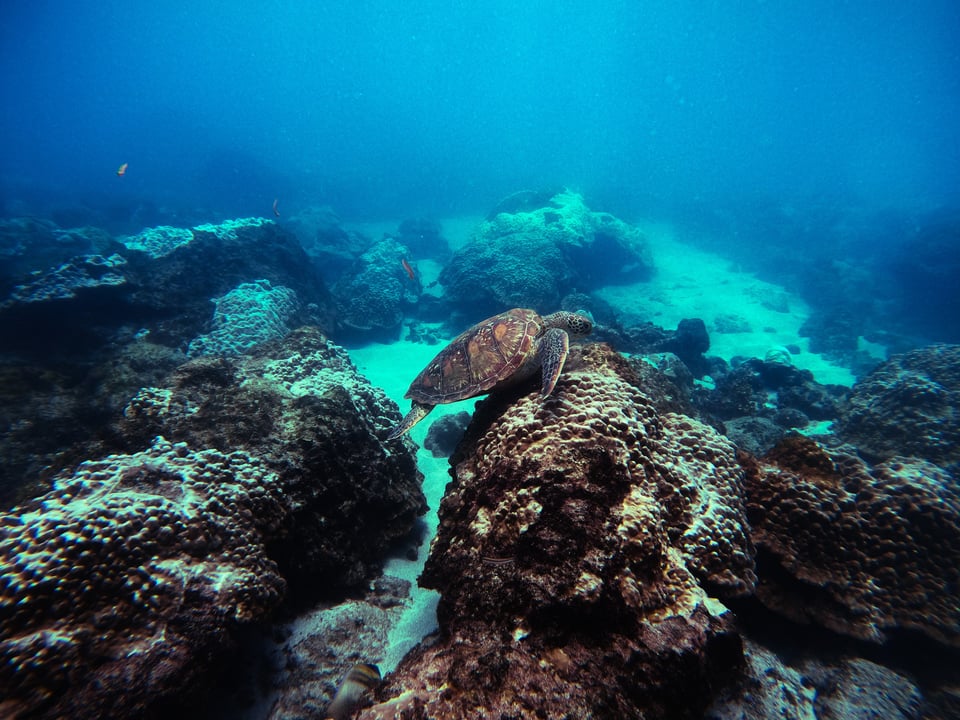
- 🐢 Caño Island: a biological reserve about 15 km off Drake Bay. Snorkeling with turtles, reef sharks and schools of jacks, and scuba diving for certified divers.
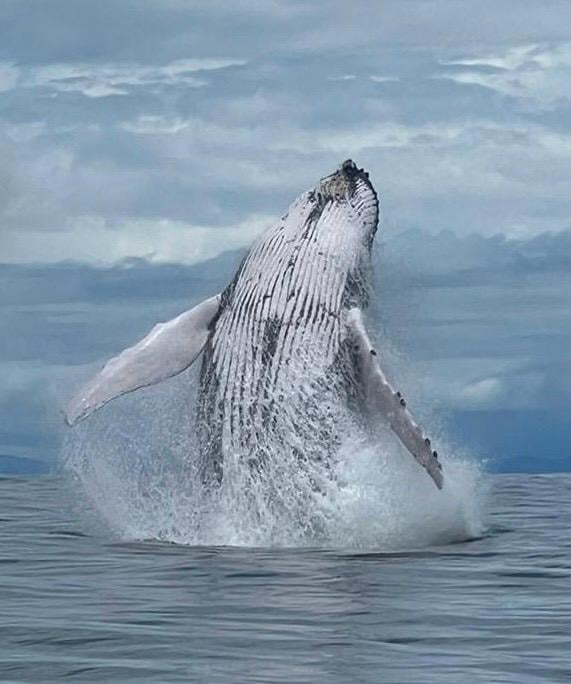
- 🐬 Golfo Dulce: one of the world’s few tropical fjords. Bottlenose and spotted dolphins live here year-round, and Southern Hemisphere humpback whales come with their calves from July to November.
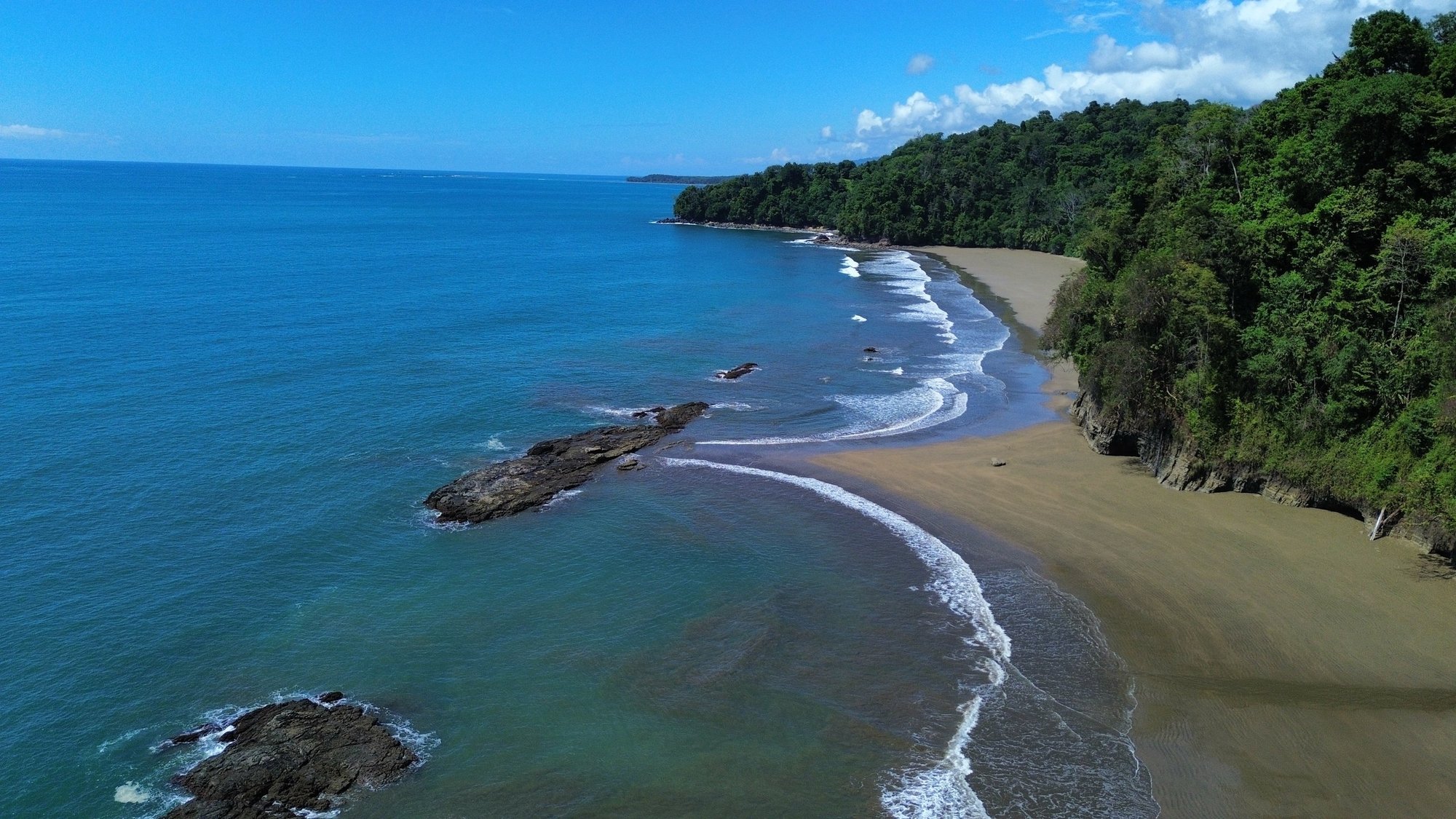
- 🌊 Matapalo: the southern tip of the peninsula, where forest meets wild beaches. A well-known surf spot, with monkeys and macaws right down to the sand.
- 🏝️ Carate: the end of the road, a huge beach and the gateway to La Leona. A colectivo (pickup truck with benches) usually runs between Puerto Jiménez and Carate twice a day, early morning and early afternoon.
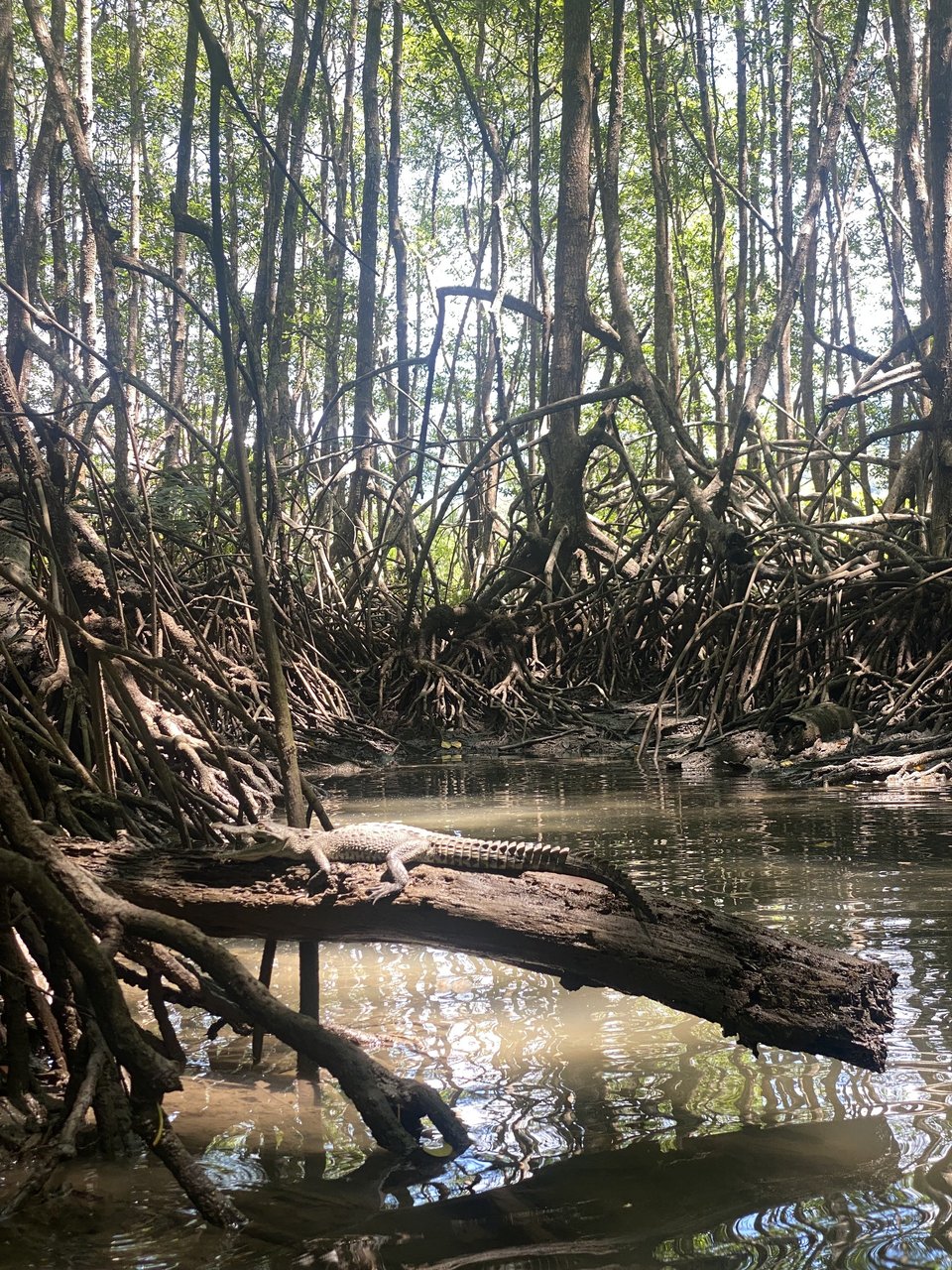
- 🐊 Sierpe mangroves: the country’s largest mangrove forest, a Ramsar wetland. Crocodiles, monkeys and birds, seen by boat on the way to Drake Bay or on a dedicated tour.
Corcovado: what to know before booking
Spots are limited per day and must be booked in advance by your guide — several weeks ahead in high season. Disposable plastic bottles are banned: bring a refillable one.
Watch the October closures: for the rainy season and maintenance, Sirena, El Tigre and Los Patos are closed to visitors in October 2026, while San Pedrillo and La Leona stay open. In September 2026 the park restored Sirena’s capacity to 366 people per day, after a temporary reduction in the spring. These rules change regularly: we always check openings for your dates before booking.
For the day, wear closed shoes (or rubber boots in rainy season), light long sleeves, bug spray, sunscreen and bring plenty of water. Departures are very early, often before 6am: that is when animals are most active. Let your guide set the pace — they are the one who spots the tapir lying in the ferns or the sloth motionless in the canopy.
How many days do you need on the Osa Peninsula?
Plan at least 3 nights, ideally 4 to 5. Transport takes time, tours start early and the weather can force you to move a boat trip. A plan that works well:
- 3 nights in Drake Bay: a Caño Island day, a Corcovado day (San Pedrillo or Sirena), and a free half day (beach, coastal hike, night tour).
- 2 extra nights around Puerto Jiménez or Matapalo: Golfo Dulce (dolphins, whales in season), kayaking and Matapalo.
- From Uvita without sleeping on Osa: Caño Island and Corcovado are still doable as day trips, with very early starts.
When to visit the Osa Peninsula
December to April (dry season): the best time for Corcovado, calmer seas for Caño Island and passable dirt roads. It is also high season: book early, especially for Christmas and Easter. Northern Hemisphere whales are around from December to March.
May to November (green season): fewer people, a lush forest and Southern Hemisphere whales from July to November. Rain falls mostly in the afternoon. September–October are usually the rainiest months, some lodges close, the sea can be rough and part of Corcovado is closed in October.
Osa Peninsula budget
Osa costs a bit more than the rest of the country: everything arrives by boat or long roads, and most lodges include meals since there are no restaurants nearby. To give you an idea, the main costs on site:
- Corcovado: entrance about $15 per day, plus the certified guide. With us: $145 (San Pedrillo) or $155 (Sirena) per person for the day.
- Caño Island: $145 per person for the snorkel day (two stops of about 40 minutes, gear and beach buffet); $220 for scuba diving.
- Sierpe mangroves: $70 for the 3-hour boat tour, $75 birdwatching, $105 mangroves + beach (from 4 people).
- Puerto Jiménez – Carate colectivo: around 8,000 colones (~$18) per ride at last check.
- Bring cash (colones and dollars): ATMs are rare, especially in Drake Bay.
Our Osa Peninsula tours
We are not a boat company: we book for you with local captains and guides we know, and handle the logistics in English. Caño Island and Corcovado tours leave from Sierpe or Drake Bay (and from Uvita for Caño Island), so you can do them even without sleeping on the peninsula. For mangroves, we also offer kayaking in the Coronado mangroves (10 minutes from Ojochal) with a Boruca guide: $90 per person, 3 h.
See all our Costa Rica tours and prices →
Frequently asked questions
Drake Bay or Puerto Jiménez: which is better?
Drake Bay for Caño Island and Corcovado by boat (San Pedrillo, Sirena); Puerto Jiménez if you drive, for Golfo Dulce, Matapalo and the La Leona entrance.
How do I get to the Osa Peninsula without a car?
Take the boat from Sierpe to Drake Bay (about 1 h), or a domestic flight from San José to Drake Bay or Puerto Jiménez (under an hour). Buses also run from San José to Puerto Jiménez (about 8 h).
How many days do you need on the Osa Peninsula?
At least 3 nights, ideally 4 to 5, to do Corcovado and Caño Island without rushing and keep a buffer for rough seas.
Can you visit Corcovado without a guide?
No. A certified guide is mandatory at every park entrance, and spots are booked in advance.
Is Corcovado open in October?
Partly. In October 2026, Sirena, El Tigre and Los Patos are closed, but San Pedrillo and La Leona stay open.
When can you see whales in Golfo Dulce?
Mostly July to November, when Southern Hemisphere humpbacks come with their calves. Dolphins live there all year.
Is the Osa Peninsula expensive?
A bit more than the rest of the country, since lodges are remote. Expect $145 to $155 per person for a guided day in Corcovado or at Caño Island with us.