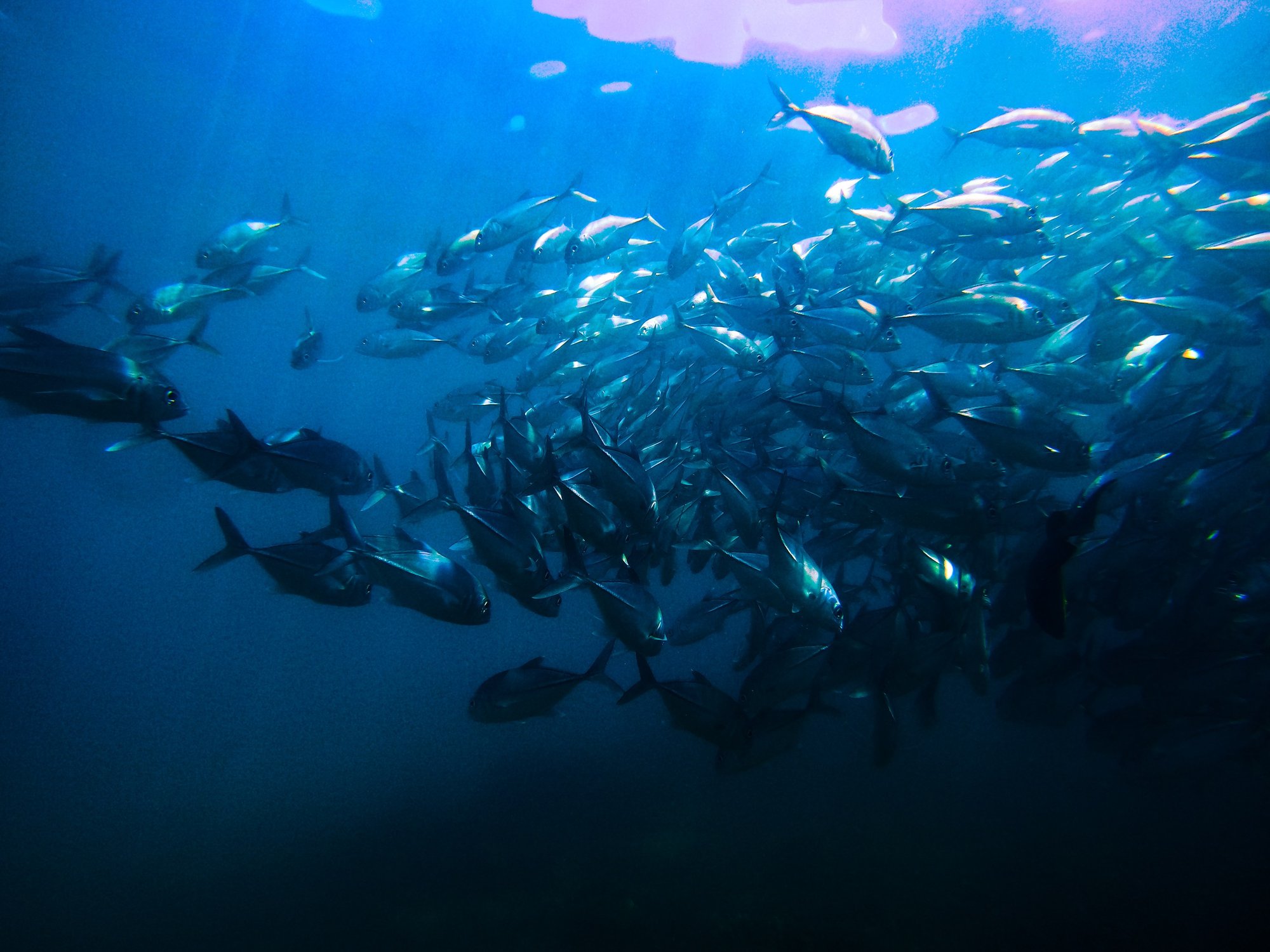
Costa Rica is best known for jungles and volcanoes. Yet below the surface there is plenty to amaze you: sea turtles, reef sharks, rays, giant schools of fish and, on the Caribbean side, real coral reefs. The catch: snorkeling in Costa Rica is nothing like the Maldives. The water is often rougher, visibility depends a lot on the season and not all spots are equal. This guide tells you where to snorkel in Costa Rica, on the Pacific and the Caribbean, when to go, what gear to bring, what it costs and when it is worth switching to scuba diving.
Wildlife you can see
What are the best snorkeling spots in Costa Rica?
Here is our honest ranking, based on marine life, average visibility and ease of access:
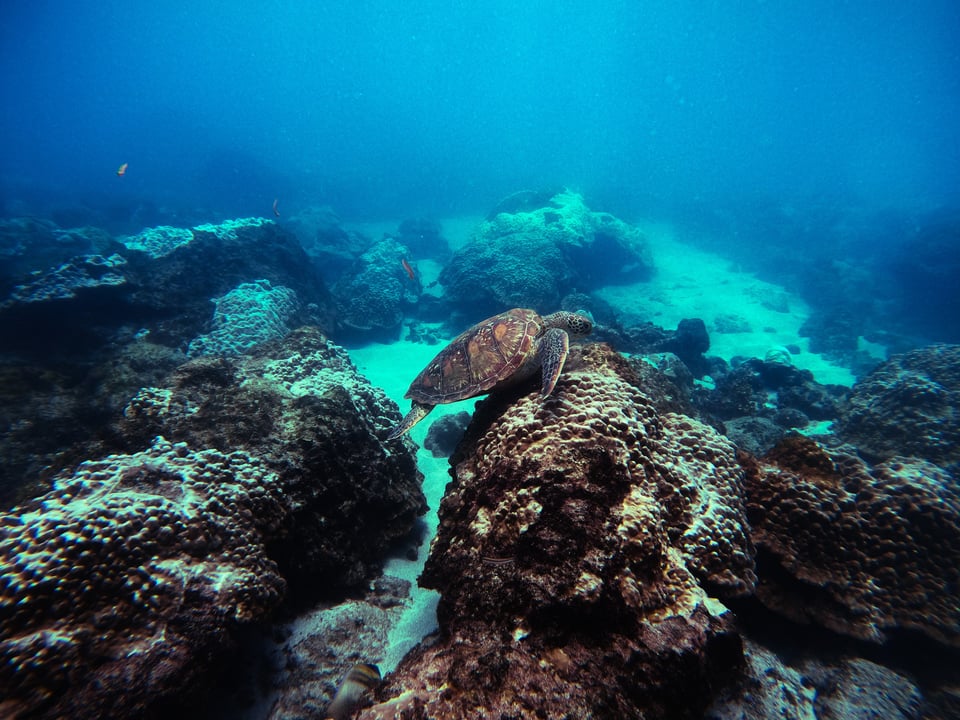
- 1. Caño Island (South Pacific, Osa Peninsula): the best visibility and the most spectacular wildlife in the country for snorkeling. Turtles, reef sharks, huge schools of fish.
- 2. Cahuita National Park (South Caribbean): a real coral reef, with brain and elkhorn corals, colorful tropical fish, rays and sometimes nurse sharks.
- 3. Catalina Islands (Guanacaste): mostly for diving, with a chance of manta rays in season.
- 4. Punta Uva and Manzanillo (South Caribbean): reefs you can reach from the beach in calm seas.
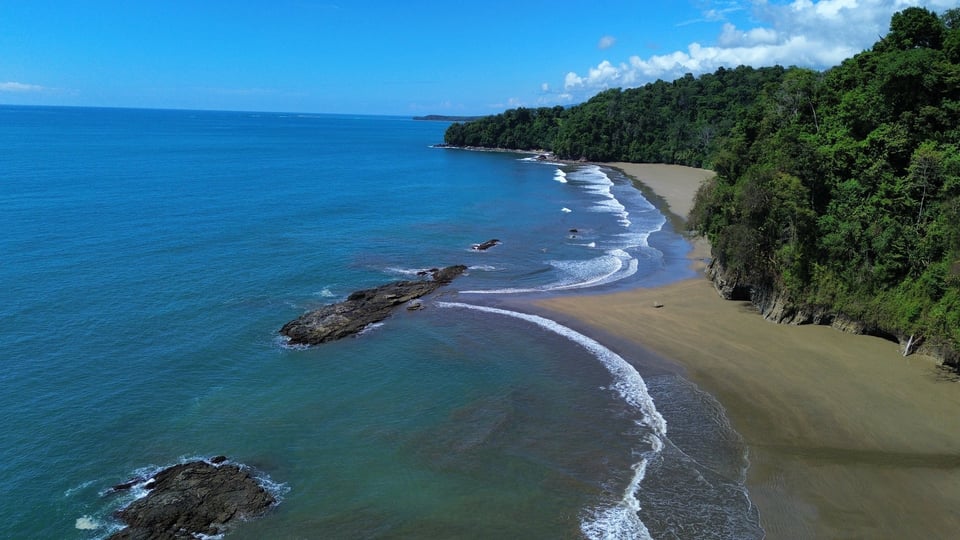
- 5. Marino Ballena National Park (Uvita): pleasant in dry season, around the whale tail and the rocks.
- 6. Manuel Antonio and Tortuga Island: convenient and easy, but visibility is often modest.
Caño Island: the best snorkeling on the Pacific
About 16 km (10 mi) off the Osa Peninsula, Caño Island is a biological reserve protecting some 5,800 hectares of ocean. To protect it, access is limited to 200 visitors a day, visits run from 7am to 3pm, fishing is banned and diving is only allowed at buoyed sites, with a limited number of divers at once.
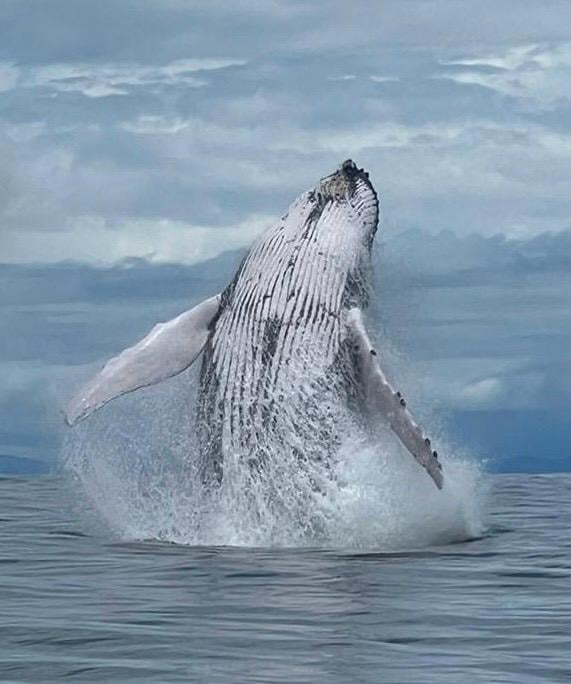
The result: water that is often much clearer than elsewhere on the coast, with visibility often over 15 meters (50 ft) in dry season and up to 25 meters on the best days. You meet hawksbill and olive ridley turtles, whitetip reef sharks (harmless), rays, moray eels, barracudas and huge schools of jacks. On the crossing, dolphins are common and, in season, so are humpback whales.
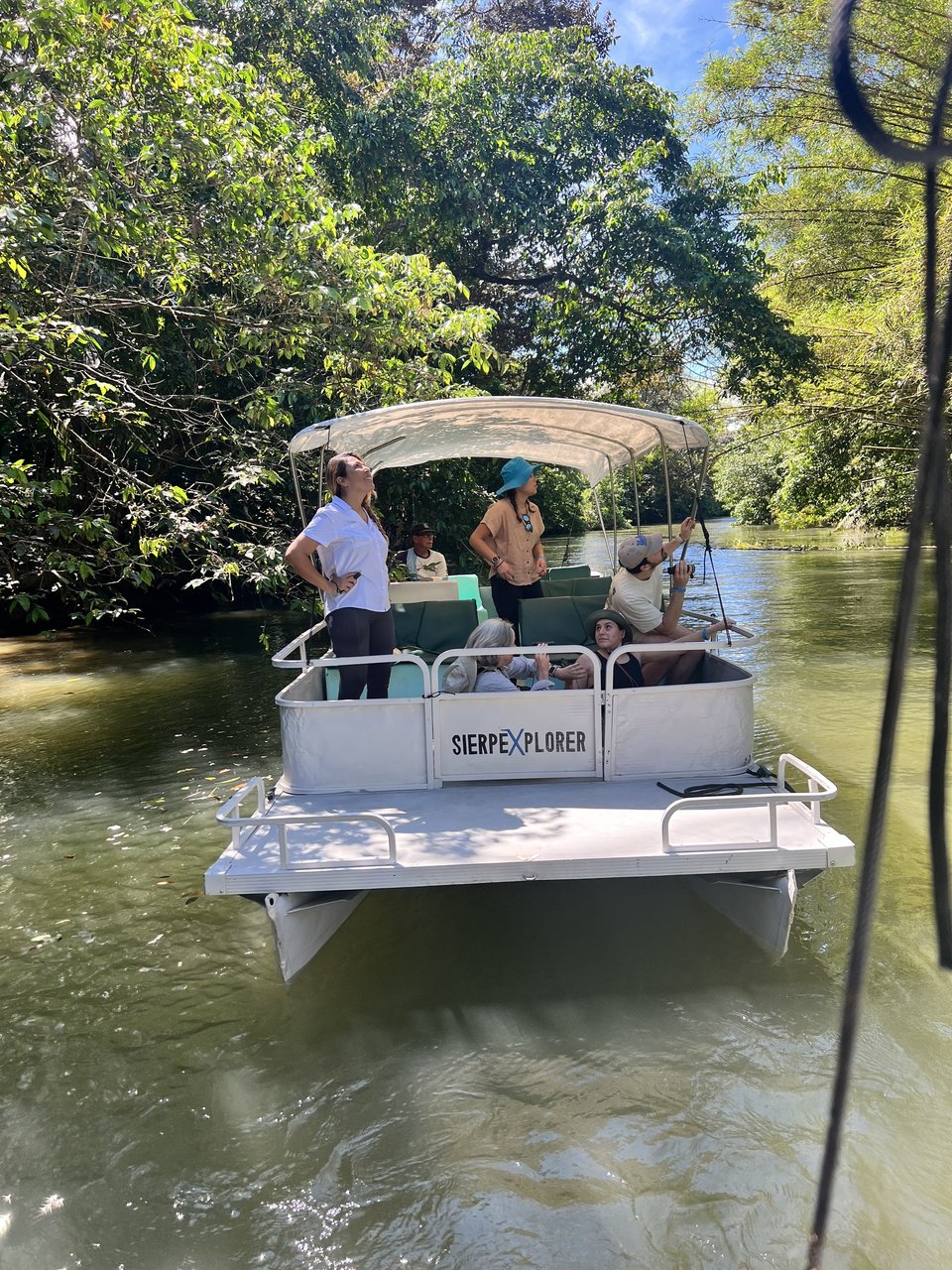
You can only go by boat with a licensed operator, from Sierpe, Uvita or Drake Bay. Our $145 per person day includes two snorkel stops of about 40 minutes, gear, a beach buffet and a return through the Sierpe mangroves. Scuba diving is also available: $220.
Snorkeling in Uvita and on the Pacific coast
Beyond Caño Island, the Pacific coast has several options, more or less worth it depending on the season:
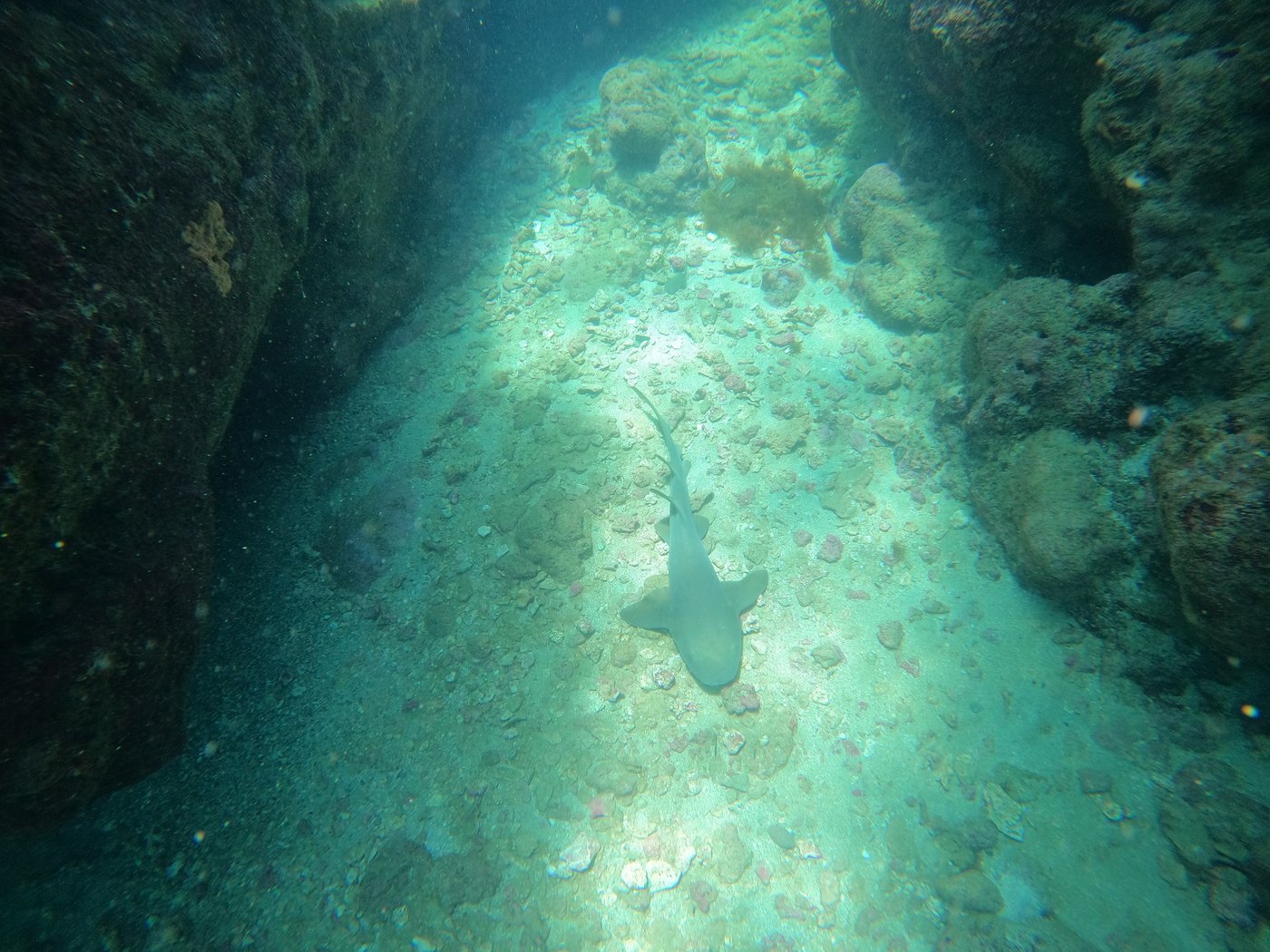
- Marino Ballena National Park (Uvita): snorkel around the tip of the whale tail and the rocks, at low tide and in calm seas. You can see turtles, rays and tropical fish. Entrance about $6 (card only). Skip it in rainy season: sediment from the Térraba River clouds the water. Best time: February–March.
- Manuel Antonio: a small sheltered cove in the park lets you paddle with parrotfish and wrasses; catamarans also leave from Quepos. Visibility rarely exceeds 5 to 6 meters. Park entrance about $18, tickets online only, closed on Tuesdays.
- Tortuga Island (Gulf of Nicoya): a popular day trip from Puntarenas, Jacó or Montezuma. Postcard beach, decent snorkeling in calm weather, but the water can cloud up quickly.
- Guanacaste (Playa Conchal, Flamingo, Ocotal, Papagayo Gulf): a few nice rocky spots from the beach, and above all access to the Catalina Islands. Note: from December to April the Papagayo winds can cool the water and roughen the sea.
Snorkeling on the Caribbean side
The Caribbean coast south of Limón has real coral reefs, which the Pacific lacks. The downside: visibility depends a lot on the weather and runoff.
- Cahuita National Park: the best-known reef on the Caribbean coast. Snorkeling is only allowed with a guide, usually by boat, using a buoy to protect the coral. The Cahuita village entrance works by donation; the Puerto Vargas entrance is about $5; the park is open 8am to 4pm. Expect brain and elkhorn corals, angelfish, parrotfish, rays, sometimes nurse sharks and green turtles.
- Punta Uva: a small rocky point with a reef you can swim to from the beach when the sea is calm. Great for an impromptu session.
- Manzanillo (Gandoca-Manzanillo refuge): beautiful in good conditions, with rocky and coral bottoms at the edge of the jungle.
- Playa Chiquita: quieter, between Puerto Viejo and Punta Uva, with sometimes very clear water on calm days.
Best season for snorkeling in Costa Rica
This is THE question to ask, because the two coasts work the opposite way:
Good news if you travel in green season on the Pacific: Caño Island, far from river mouths, usually remains the most reliable spot on the coast, even from May to November. There are fewer boats, turtles and sharks are still there, and visibility, while not perfect, is often decent after a few dry days. Just keep two or three flexible days in your plan to pick the best weather window.
- Pacific side: the dry season, December to April, brings the calmest sea and the best visibility (peak January to March at Caño Island). In rainy season rivers carry sediment: after a heavy downpour it can take 3 to 5 days for the water to clear, even offshore.
- Caribbean side: it can rain all year, but September and October are usually the driest months and the best for snorkeling in Cahuita. March–April can also be good.
- Water temperature: about 25 to 29 °C (77–84 °F) depending on season and coast. In Guanacaste, cooler upwellings can happen in dry season.
Snorkeling or scuba diving?
Snorkeling (mask and snorkel) is plenty to enjoy Caño Island, Cahuita or Punta Uva: turtles, schools of fish and reef sharks are easy to see from the surface. It works for anyone comfortable in the water, kids included.
Scuba diving is worth it if you want to see canyons and drop-offs, get close to sharks resting on the bottom or see manta rays. Costa Rica’s top dive sites are:
- Caño Island: the most accessible dive in the South Pacific, with sites like Bajo del Diablo, famous for its schools of fish. With us: $220.
- Catalina Islands (from Playa Flamingo, Tamarindo or Playas del Coco, 30–40 minutes by boat): known for manta rays, especially December to April. Open Water is usually enough; Advanced is recommended because of currents.
- Bat Islands (Murciélago) (Guanacaste, off Santa Rosa park): famous for bull sharks, especially June to October. A demanding site: advanced certification is usually required.
- Cocos Island: every diver’s dream (hammerheads), but hundreds of kilometers offshore, reachable only on a multi-day liveaboard.
Gear and safety tips
Guided trips provide mask, snorkel, fins and life vest. If you have your own mask, bring it: a good fit changes everything. Safety-wise, the Pacific is not a pool: currents, swell and rip currents are common. Never go alone and always follow your guide’s instructions.
- Mineral, reef-safe sunscreen (zinc oxide), and above all a rash guard: backs burn fast while snorkeling.
- Do not touch coral or animals, do not stand on the reef, and keep your distance from turtles.
- Not comfortable in the water? Tell us: a vest or a pool noodle keeps you on the surface effortlessly.
- Prone to seasickness? Take medication before the crossing and eat light.
- From the beach (Punta Uva, Manzanillo), check currents, ask locally and stay close.
- Keep a backup date: if the sea is too rough, boats cancel for safety.
How much does snorkeling in Costa Rica cost?
Beach spots are almost free (apart from park fees and gear rental), while boat trips cost more but take you to the best sites. Benchmarks:
- Caño Island, full day: $145 per person with us (two snorkel stops, buffet, gear). Scuba diving: $220.
- Park fees (approx.): Marino Ballena $6, Cahuita donation or $5 depending on the entrance, Manuel Antonio $18.
- Whales + snorkel: the Uvita whale watching tour ($120) sometimes includes a snorkel stop when the sea is calm.
- Where to stay for Caño Island? Uvita, Ojochal or Dominical to combine with whales and waterfalls; Drake Bay for the shortest crossing; Sierpe as a stopover. From San José, allow about 3.5 to 4 hours’ drive to Uvita.
See all our Costa Rica tours and prices →
Frequently asked questions
Where is the best snorkeling in Costa Rica?
At Caño Island, off the Osa Peninsula: it has the best visibility and marine life (turtles, reef sharks, schools of fish). On the Caribbean side, the Cahuita reef is the most beautiful.
Can you snorkel in Uvita?
Yes, in Marino Ballena National Park around the whale tail, at low tide and in calm dry-season seas. For the best snorkeling, take a boat from Uvita to Caño Island.
What is the best time to snorkel in Costa Rica?
On the Pacific, December to April (dry season). On the Caribbean, rather September and October.
How much is a Caño Island snorkeling tour?
With us, $145 per person for the full day with two snorkel stops, buffet and gear. Scuba diving is $220.
Do I need to dive to see turtles in Costa Rica?
No. At Caño Island and Cahuita, you regularly see sea turtles just snorkeling from the surface.
Are there dangerous sharks when snorkeling in Costa Rica?
The sharks you meet snorkeling, like whitetip reef sharks or nurse sharks, are harmless to people if left undisturbed.
Where to scuba dive in Costa Rica?
The top sites are Caño Island, the Catalina Islands (manta rays) and the Bat Islands (bull sharks) in Guanacaste, plus Cocos Island on a liveaboard.